
The Difference Between AGM and EFB Stop-Start Car Batteries and Their Development History
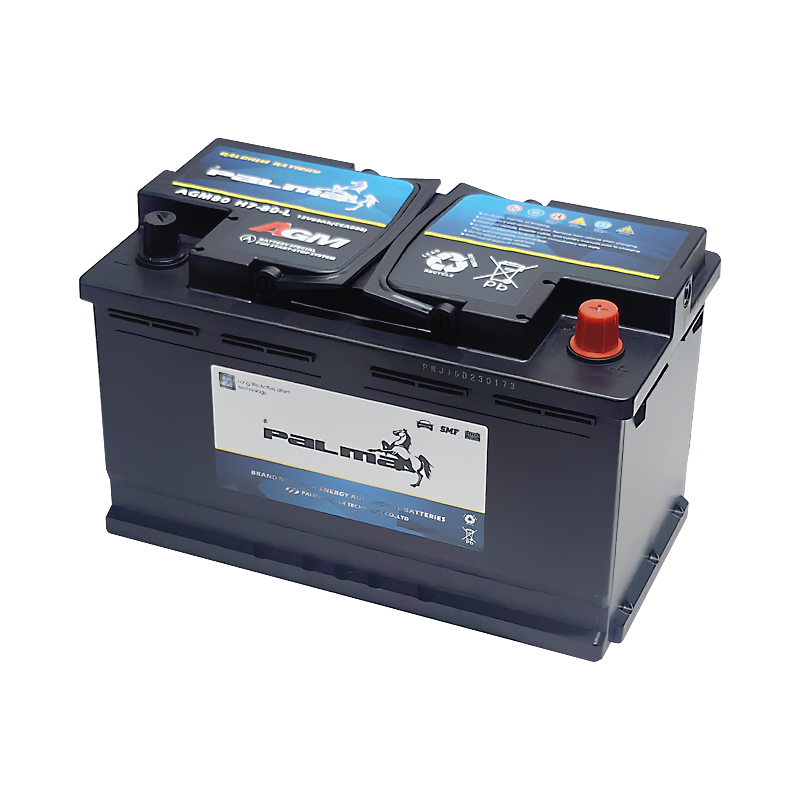
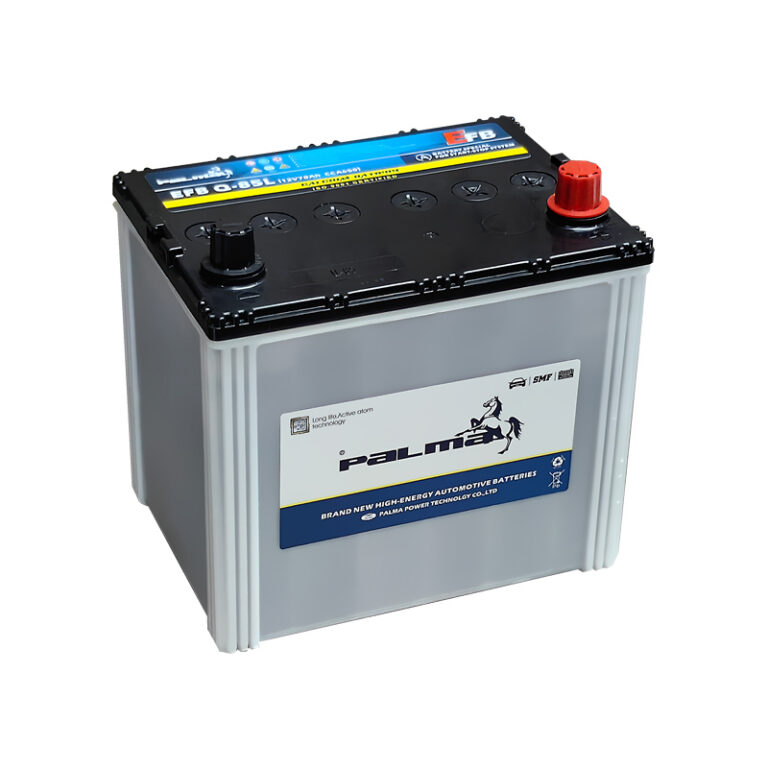
As environmental awareness grows and the automotive industry evolves, energy efficiency and emissions reduction have become global priorities. Stop-start systems, which cut fuel consumption and emissions by shutting the engine down when the vehicle is stationary, are now fitted to a large share of modern vehicles.
Two battery types have emerged to support this technology: AGM (Absorbent Glass Mat) and EFB (Enhanced Flooded Battery). Understanding how each developed and where they differ helps buyers choose the right platform.
How stop-start batteries developed
The stop-start concept dates back to the 1970s and was designed to reduce fuel consumption and emissions during engine idling. As technology improved and environmental regulation tightened, the feature moved from high-end vehicles into the mainstream. Conventional starting batteries could not handle the frequent cycling that stop-start systems demand, which drove the development of dedicated AGM and EFB designs.
AGM batteries: built for high-performance systems
AGM stop-start batteries appeared in the 1980s to meet more demanding operating conditions. They use absorbent glass mat technology, in which the electrolyte is absorbed into fibreglass mats. This construction improves vibration resistance and significantly increases longevity and stability during high-frequency stop-start cycles, making AGM the preferred choice for high-load electrical systems, including those with regenerative braking.
EFB batteries: an enhanced flooded design
EFB batteries are an evolution of the conventional flooded battery. The active material of the positive plate is fixed with a special fabric, which improves charge acceptance and cycle life compared with a standard flooded battery. EFB offers a cost-effective solution for vehicles that use stop-start without the highest electrical loads.
Choosing between AGM and EFB
The choice depends on the vehicle specification and electrical load. AGM suits vehicles with the highest cycling demands and advanced energy management; EFB is a solid, more economical option for standard stop-start applications. Both deliver the reliability that modern start-stop systems require, and both are available from PALMA.