
Is CCA important for car battery?
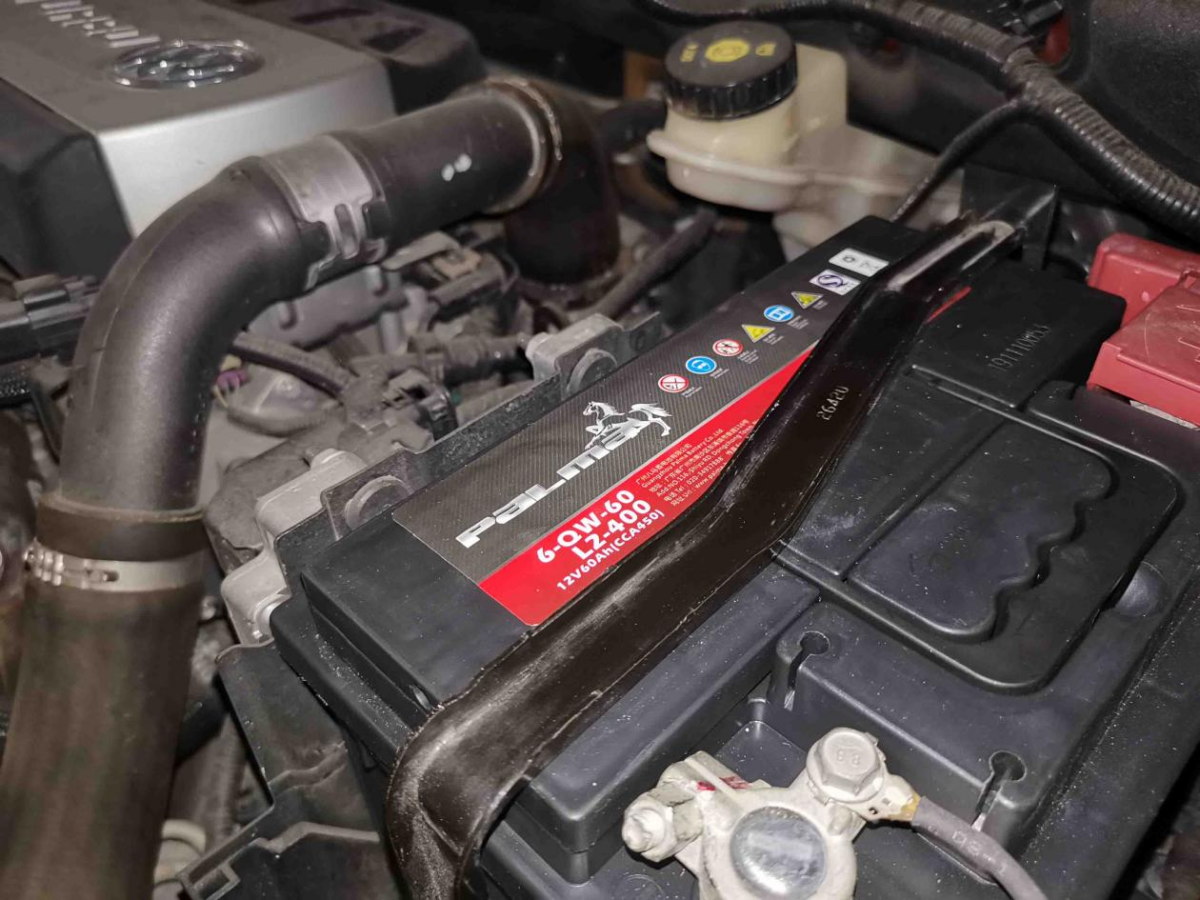
Cold Cranking Amps (CCA) is one of the most important ratings on a car battery. It measures the current a battery can deliver for 30 seconds at -18°C (0°F), and it largely determines how reliably a car starts in cold weather.
Why CCA matters
- Reliable cold-weather starts – in winter, especially in colder regions, a battery with insufficient CCA may not deliver enough current to turn the engine over.
- Fast, smooth starts – even in milder weather, starting needs strong current; a higher CCA rating supports quick ignition.
- Stable vehicle electronics – weak battery performance can cause voltage instability, which may affect audio, navigation and other electronic systems.
What makes a high-CCA battery
From a production standpoint, CCA is improved by increasing plate contact area and adding plates with thinner grids. Thinner plates, however, reduce grid corrosion resistance and can shorten battery life, so the design is a balance between starting performance and durability.
How to choose
Start with the operating climate. In cold regions, prioritise CCA; in warmer regions, battery service life is often the more relevant factor. When comparing ratings, check that the CCA value is stated at -18°C, and follow the vehicle manufacturer’s specification or a qualified professional’s advice.