
Aerial work truck battery: why lead-acid battery is still preferred?
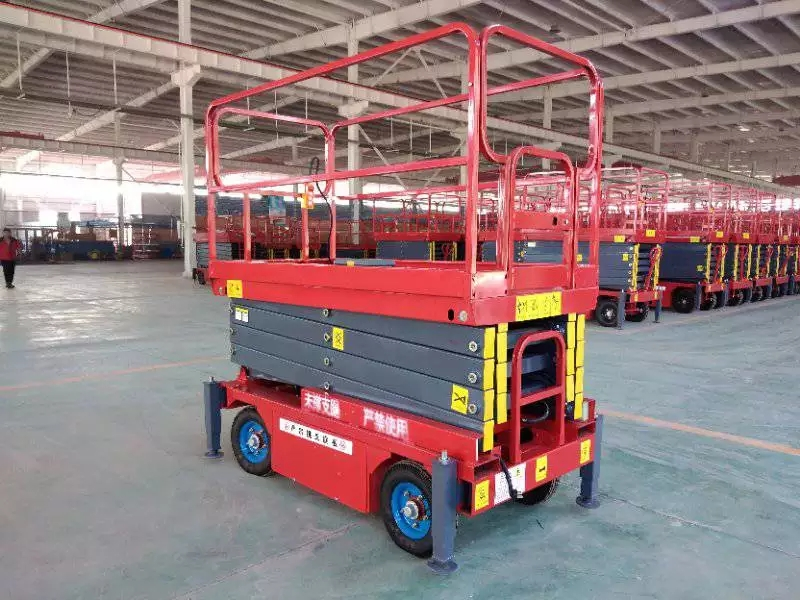
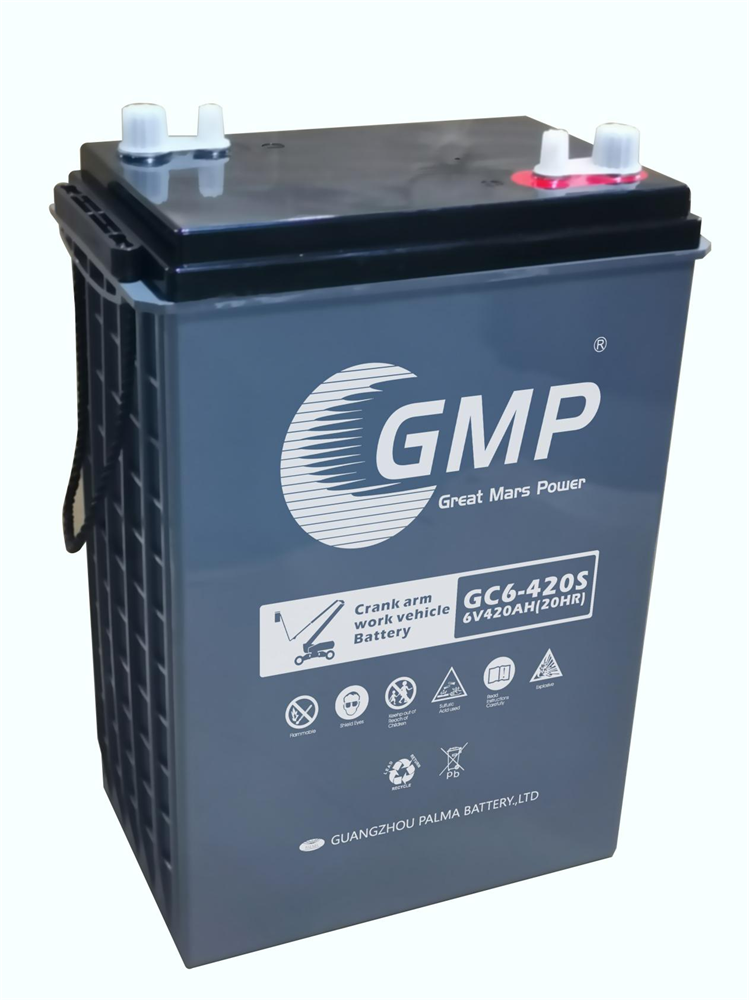
Aerial work platforms have become an indispensable tool in modern urban construction and maintenance. Their batteries are central to safe, dependable operation, and lead-acid technology remains the preferred choice for most of these machines. Here is why.
Mature and reliable technology
Lead-acid batteries are a mature technology with more than a century of industrial use. Their behaviour is well understood, supply chains are established, and replacement units are available worldwide – a practical advantage for work platforms operating in remote or demanding conditions.
Stable safety performance
Lead-acid chemistry is inherently stable. The cells tolerate a wide range of operating conditions, do not easily enter thermal runaway, and their electrolyte is not prone to leakage or flammability. For machines that work close to personnel, this safety profile matters.
Cost-effective lifecycle
Lead-acid batteries have a lower initial cost than lithium alternatives and a well-developed recycling channel, which reduces the environmental impact at end of life and supports a lower total cost of ownership in many applications.
Where lithium fits
Lithium batteries offer higher energy density, lower self-discharge and faster charging, and they are increasingly used in mobile equipment and electric vehicles. However, for many aerial work platforms – where ruggedness, safety margins and cost predictability are the priorities – lead-acid remains the practical choice.
The right answer depends on the machine and duty cycle. PALMA supplies battery platforms for aerial work equipment and helps buyers match the chemistry to the application.