
Electric Scooter Battery Safety: Causes and Prevention

Electric scooters are popular because they are light and fast, but reports of battery fires have raised concerns about their safety. This article looks at the causes of electric-scooter battery incidents and compares the two main battery types used today.
Why electric-scooter batteries catch fire
Most incidents are linked to charging and handling rather than the battery chemistry alone: using a charger that does not match the battery, charging unattended or overnight in poor conditions, mechanical damage from impacts, water ingress, and unauthorised modification of the battery or wiring. Faulty cells or missing protection circuitry can turn a small defect into a thermal event.
Lead-acid batteries
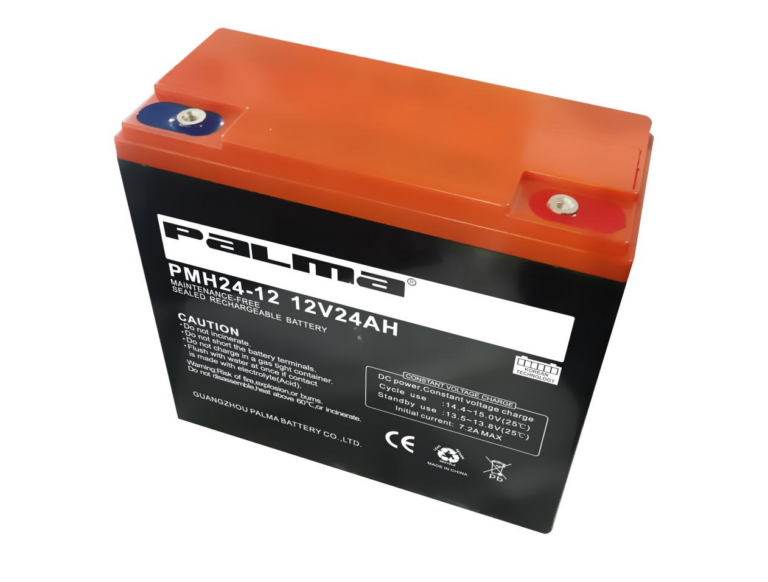
Lead-acid is a traditional technology with more than a century of history. It remains common in scooters because it is mature, low cost and simple to maintain. Its internal chemistry and structure are stable, and it is significantly less prone to fire-type incidents, which is why lead-acid is often specified for entry-level and fleet scooters.
Lithium batteries
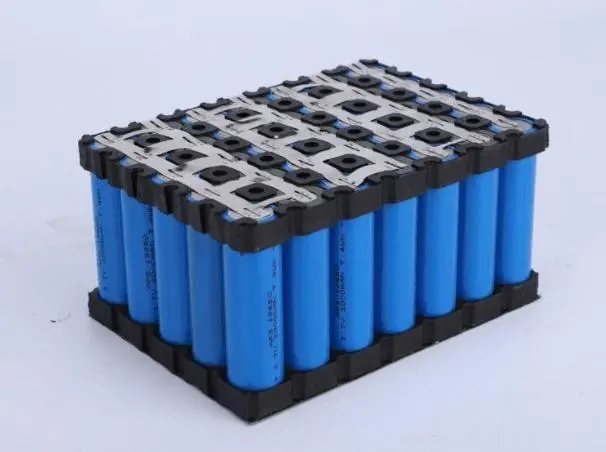
Lithium batteries offer higher energy density, lighter weight and longer life, and they are increasingly used in electric scooters. They can deliver excellent performance, but their high energy density also means more energy is released if a cell fails. Safety depends on quality cells, a properly designed battery management system and correct charging practice.
Practical prevention
Use the charger supplied with the scooter, avoid charging in hot or humid conditions, never charge unattended overnight, keep the battery away from impacts and water, and never modify the battery or wiring. Replace damaged batteries promptly.
With the right battery specification and safe charging habits, electric scooters can operate reliably. If you are choosing a scooter battery, consider the duty cycle and local regulations, and buy from a supplier that documents its battery quality.