
Will lead-acid batteries be replaced by lithium batteries?
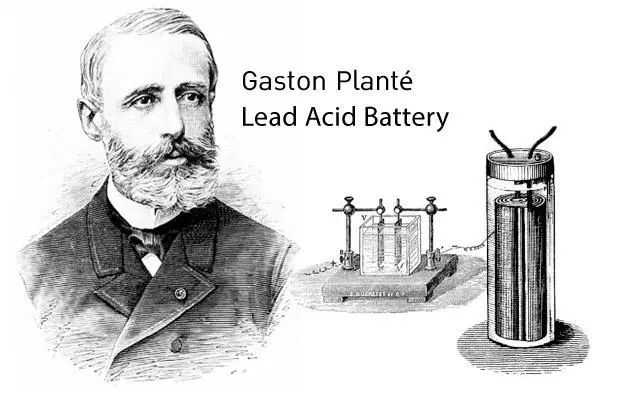
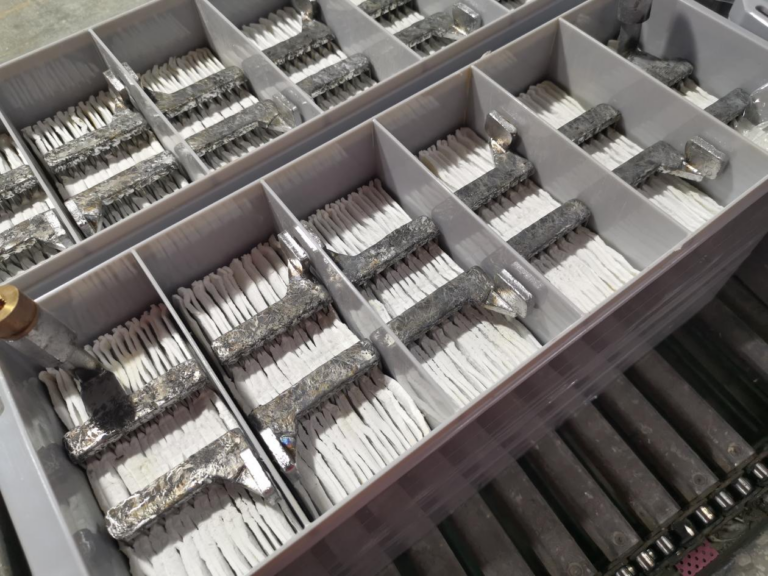
Will lead-acid batteries be replaced by lithium batteries? It is a question asked across the industry. The honest answer is that each chemistry is winning in the applications where its strengths matter most, and lead-acid remains far from obsolete.
Where lithium has clear advantages
Lithium batteries provide higher energy density, lower weight, faster charging and longer cycle life. In consumer electronics, electric vehicles and high-cycle portable equipment, these advantages are decisive, and lithium adoption continues to grow there.
Where lead-acid remains strong
Lead-acid technology still leads in starting, standby and heavy-duty traction roles. Its advantages include low initial cost, mature manufacturing, excellent safety under harsh conditions, tolerance of overcharge and deep discharge, and a fully established recycling loop. For automotive starting, UPS and telecom backup, golf and traction, and many industrial applications, lead-acid remains the economical and dependable choice.
A complementary future
The two chemistries are increasingly complementary rather than purely competitive. Many electric vehicles, for example, use a small 12V lead-acid battery alongside the high-voltage lithium pack to power auxiliary systems. Recycling and supply chains continue to improve for both.
For buyers, the decision should be application-driven: match the chemistry to the duty cycle, environment and cost model. PALMA’s core platforms are lead-acid based, with the structure in place to support emerging energy-storage requirements as they are confirmed.