
The Secret of UPS Power Batteries: Why Lead-Acid Batteries Still Dominate
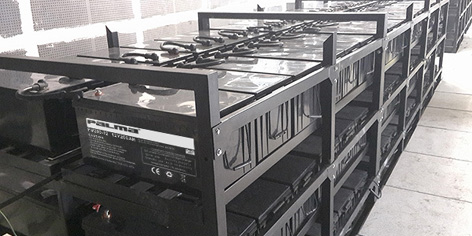
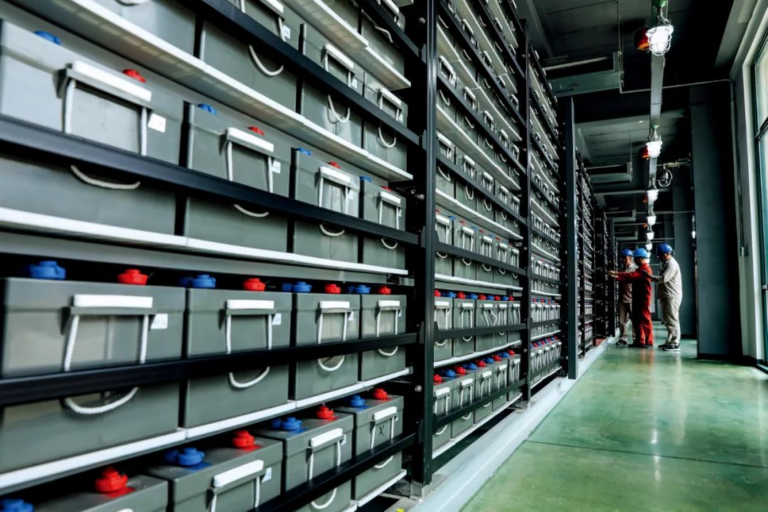
UPS systems exist to keep critical loads running when the mains supply fails, and at the heart of most of them is a lead-acid battery. Despite the rise of newer chemistries, lead-acid technology still dominates this role. Here is why.
Delivering the power profile a UPS needs
A UPS battery must deliver steady power over a defined backup window, tolerate frequent float charging, and be ready to discharge instantly when mains power is lost. Valve-regulated lead-acid (VRLA) batteries, including AGM and gel designs, are engineered for exactly this duty – reliable float service with predictable end-of-life behaviour.
Cost and total cost of ownership
For the watt-hours typically required in data centres, telecom sites and industrial plants, lead-acid delivers the lowest cost per capacity unit. Battery racks, chargers and monitoring are standardised around 12V lead-acid blocks, which keeps both initial and replacement costs manageable.
Established recycling and service infrastructure
Lead-acid is the world’s most recycled battery chemistry. End-of-life collection and reprocessing are mature, which matters for operators with sustainability and compliance obligations.
When other chemistries make sense
Lithium UPS batteries offer higher energy density, longer cycle life and a smaller footprint, and they are a growing option where space and cycling frequency justify the premium. For the majority of standby installations, however, VRLA lead-acid remains the dependable, cost-effective choice.
PALMA supplies VRLA battery platforms for UPS, telecom, security and backup applications, and helps match the battery configuration to the required autonomy and load.