
Lead-acid battery fault judgment: professional knowledge and practical skills
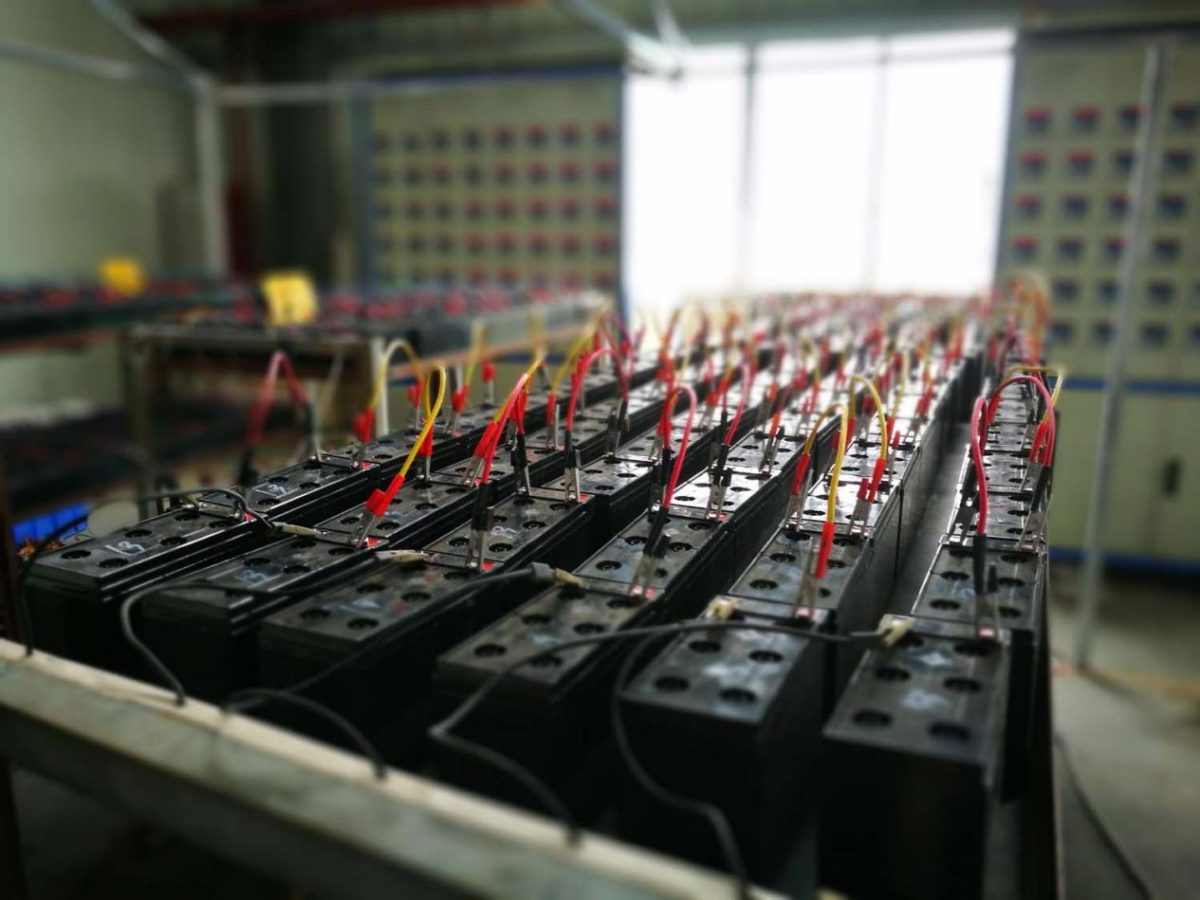
Lead-acid batteries are widely used in automobiles, electric vehicles, UPS systems and many other applications. Poor usage or weak maintenance can lead to common faults, and knowing how to judge them saves downtime and cost. This guide summarises practical fault-judgment methods.
Understand the working principle first
A lead-acid battery converts chemical energy into electrical energy through electrochemical reactions. Its main components are the positive plate, negative plate, electrolyte and separator. When a fault occurs, it is usually related to one of these components.
Inspect the appearance
A healthy battery has an intact shell with no leakage or deformation. If the casing is cracked, leaking or visibly swollen, there is likely an internal fault and the battery should be replaced promptly.
Measure the voltage
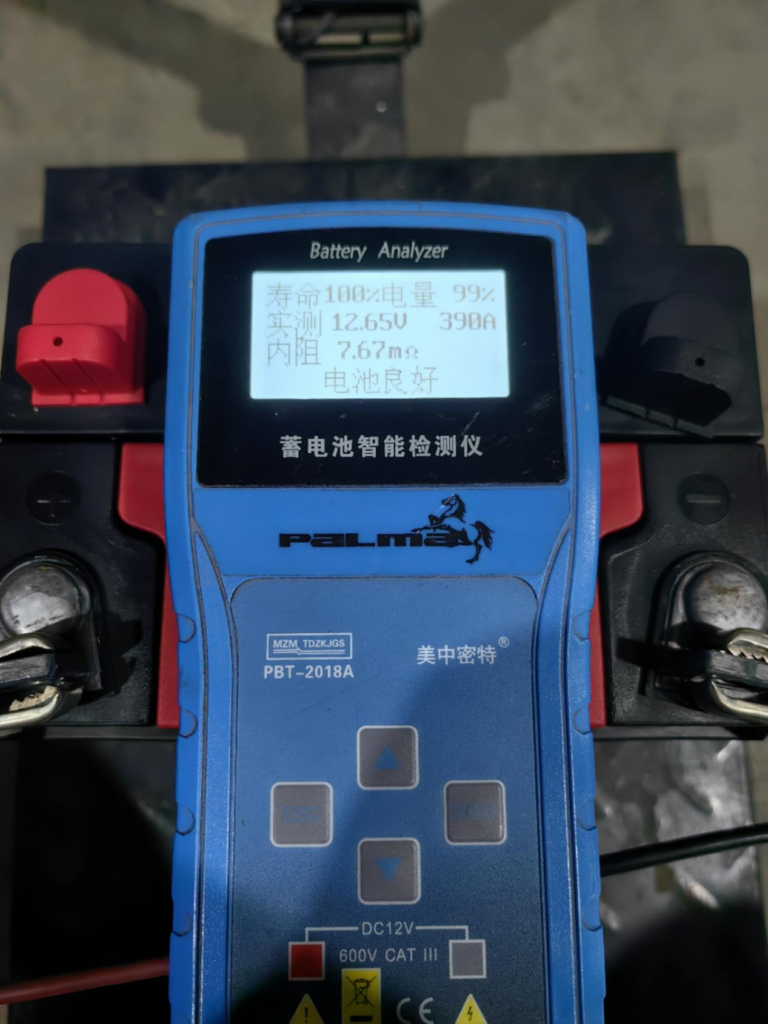
Use a multimeter or a dedicated battery tester. A fully charged lead-acid battery should read close to its nominal voltage. If the measured voltage is much lower than nominal, or fluctuates noticeably, the battery may be undercharged, sulphated or internally damaged.
Check the load performance
Voltage alone is not enough. A battery that reads normal at rest can still fail under load, so perform a load test at the rated current. A sharp voltage drop during the load test usually indicates weak capacity or an internal fault.
Inspect connections and electrolyte
Loose or corroded terminals cause many apparent battery failures, so clean and tighten the connections before condemning the battery. In serviceable flooded batteries, check the electrolyte level and specific gravity with a hydrometer; low levels or uneven readings point to overcharging or internal problems.
Following this sequence – visual check, rest voltage, load test, then connections and electrolyte – lets you identify most lead-acid battery faults quickly and safely.